SEO Agencies vs AI Search: Why Some Will Collapse & Some Will Control Entire Niches
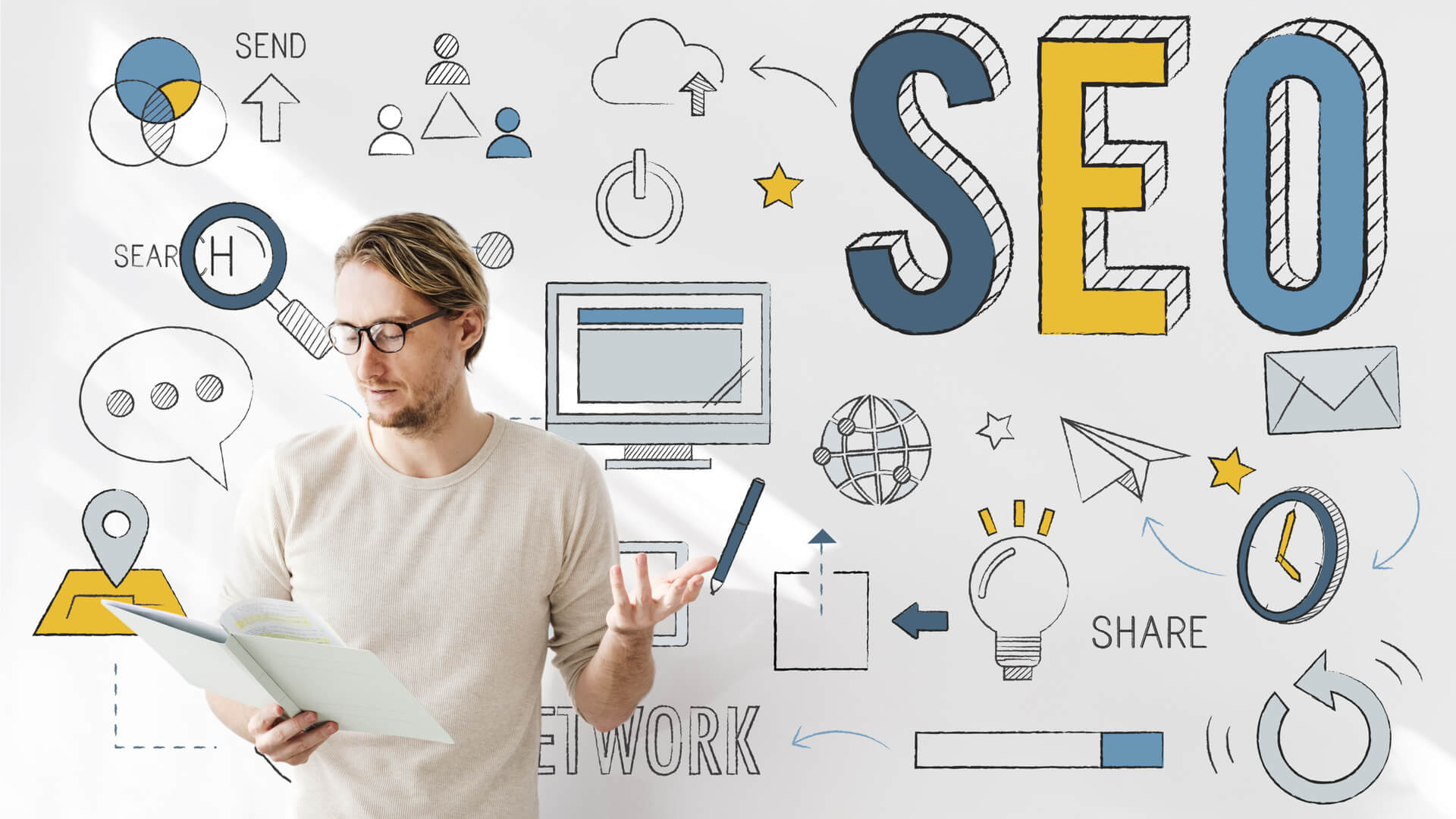
The SEO world is entering a seismic shift. Traditional agencies that rely solely on backlinks, keyword stuffing, and generic content are on a collision course with AI-powered search engines. Meanwhile, forward-thinking agencies are harnessing AI workflows, semantic entity strategies, and user-behavior insights to dominate niches and become virtually unignorable online.
Much like subway tile layouts in home design, where structure, pattern, and color choice determine visual impact, digital strategies today require precision, cohesion, and creativity. Agencies that understand the science behind AI search and combine it with thoughtful content design will control entire industries, while others will slowly fade into obscurity.
In this article, we’ll explore why some SEO agencies are collapsing, how the top firms leverage AI, and how these principles surprisingly mirror modern tile design trends in kitchens, bathrooms, and other spaces.
H2: Why Traditional SEO Agencies Are Struggling
AI search engines like Google’s AI SGE, Bing Chat, and Perplexity prioritize answers, authority, and semantic relevance over traditional keyword signals. Agencies that fail to adapt:
- Produce content without clear intent
- Rely on outdated backlinks schemes
- Ignore entity mapping
- Overlook behavioral data like time on page
The result? Their clients’ websites stagnate, rankings drop, and ROI diminishes.
H3: The Design Analogy
Just like outdated tile choices can make a kitchen feel cramped or chaotic, outdated SEO practices create digital spaces that fail to impress users or search engines. Choosing the right tile patterns and subway tile layouts can dramatically transform a space—mirroring how strategic, AI-optimized content transforms digital authority.
H2: How Elite Agencies Are Winning With AI
The top 10% of agencies are implementing:
- AI Content Scoring – Evaluating semantic depth and relevance before publication
- Entity Mapping – Linking concepts, products, and services for clarity
- User-Behavior Engineering – Optimizing dwell time, clicks, and engagement
- Answer Engine Optimization (AEO) – Creating content that AI platforms prefer
- Visual Search Optimization – Optimizing images and media for AI indexing
H3: Interior Design Connection
Much like a thoughtfully planned kitchen tile layout, these strategies guide users intuitively through a site. Just as choosing the right grout ideas and tile color trends impacts visual flow, AI-optimized content maximizes digital engagement.
H2: Subway Tile Layouts and Pattern Strategy in 2025
Tile design and digital strategy have a lot in common. Both require:
- Predictable patterns
- Emotional resonance
- Strategic hierarchy
- Attention to detail
H3: Popular Subway Tile Layouts
- Vertical Stacked Layouts – Creates a modern, elongated aesthetic
- Classic Horizontal Offset – Timeless, widely adaptable
- Herringbone & Double Herringbone – Statement-making patterns for feature walls
- Oversized Subway Tiles – Minimalist, expansive look
These designs parallel AI-friendly content structures: hierarchical, scannable, and visually or semantically engaging.
H2: Color Combinations and Digital Psychology
Color trends in 2025 reveal the psychological impact of thoughtful design:
H3: Warm Neutrals
- Beige, stone, latte
- Conveys stability and reliability—ideal for both bathrooms and websites
H3: Pastel Greens & Blues
- Soft, calming, and inviting
- Mirrors the trust-building elements in high-authority content
H3: Charcoal & Graphite
- Bold, modern, and sophisticated
- Works for feature walls or websites targeting premium audiences
Choosing the right tile color trends influences emotional perception, much like tone, voice, and layout choices affect online user trust.
H2: Grout Ideas That Transform Spaces
Grout is the detail that changes perception—both in tiles and digital content:
- White Grout – Clean, classic, visually seamless
- Dark Grout – Adds contrast, emphasis, and edge
- Color-Matched Grout – Subtle, cohesive, modern
H3: SEO Analogy
Just as grout enhances tile impact, metadata, structured data, and interlinking enhance content visibility and AI understanding.
H2: Kitchen Tile Inspiration
H3: Horizontal Classic
- Timeless and versatile
- Works well with warm-neutral cabinets
H3: Vertical Modern
- Perfect for small kitchens to add height
- Ideal for narrow spaces and minimalist designs
H3: Herringbone Luxury
- Makes a splashback or focal area stand out
- Mirrors high-impact content strategies that command attention
H2: Bathroom Tile Inspiration
H3: Floor-to-Ceiling Vertical
- Makes small bathrooms appear taller
- Modern spa-like aesthetic
H3: Staggered Horizontal
- Adds dimension without overpowering
- Works in traditional or transitional spaces
H3: Double Herringbone
- Statement wall for vanity or shower
- Bold and visually captivating
H2: 2025 Tile Patterns Trends That Influence SEO Thinking
- Minimalist Subway Layouts – Clean, easy to read and digest
- Bold Feature Walls – Command attention, like authority content clusters
- Mixed Textures – Engages multiple senses; digital equivalent: mixed media and AI-enhanced visuals
The lesson: a successful digital presence is like a well-designed room—it must flow, balance, and engage.
FAQs
FAQ 1: How can AI search affect traditional SEO agencies?
AI search evaluates content based on relevance, authority, and user engagement. Agencies relying solely on keywords or backlinks without semantic depth may see diminishing rankings. Elite agencies adapt by using entity mapping, AI scoring, and behavioral optimization to remain competitive.
FAQ 2: Which subway tile layouts are trending in 2025?
Vertical stacked layouts, classic horizontal offsets, herringbone, and oversized subway tiles dominate. These layouts improve visual flow, mirror hierarchical content strategies, and create statement features in kitchens and bathrooms.
FAQ 3: How do grout ideas impact design?
Grout defines tile perception. White grout provides seamless continuity, dark grout offers contrast and depth, while color-matched grout creates subtle cohesion. In digital terms, metadata and structured linking play a similar role in content perception.
FAQ 4: What kitchen tile trends should I follow?
2025 favors vertical modern layouts for small kitchens, horizontal classics for timeless appeal, and herringbone patterns for luxurious focal points. Color trends include warm neutrals, soft pastels, and bold graphite tones.
FAQ 5: How does pattern design relate to SEO?
Pattern design—whether tile or content—creates visual or semantic hierarchy, guides engagement, and enhances perceived value. Structured layouts in content mirror the impact of thoughtfully designed tile patterns on a room.
FAQ 6: Can AI optimize my website better than humans?
AI enhances analysis, scoring, and semantic structuring. However, human insight ensures creativity, emotional resonance, and design-thinking integration, making the combination of AI + expert strategy superior to AI alone.
FAQ 7: Which bathroom tile layouts maximize space perception?
Vertical floor-to-ceiling subway tiles and staggered horizontal patterns visually elongate walls and widen rooms. Double herringbone accent walls add style without crowding the space.